After pushing your body to its absolute limits with high-intensity training, the nervous system remains in a heightened state of alert. This state, often characterized by elevated heart rate, muscle tension, and mental arousal, is a natural physiological response to strenuous activity. However, lingering in this activated state can hinder recovery, impede performance gains, and even lead to burnout or injury over time. The art of winding down this internal alarm system is therefore not a luxury, but a critical component of any serious training regimen. It is the bridge between the exertion of the workout and the supercompensation that leads to growth.
The sympathetic nervous system, our built-in accelerator, is in full command during a tough session. It floods the body with adrenaline and cortisol, sharpening focus, diverting blood flow to working muscles, and priming you for action. Once the last rep is completed or the final sprint is over, the body doesn't just instantly switch off this state. It lingers, like the echo of a loud sound in a quiet room. The goal of post-training relaxation is to gently encourage the activation of its counterbalance, the parasympathetic nervous system—the body's brake. This system promotes rest, repair, and digestion, ushering the body into a recovery-oriented state.
One of the most immediate and accessible techniques for initiating this shift is through deliberate breathwork. The rhythm and depth of our breath are intimately tied to our nervous system's state. Shallow, rapid chest breathing is a hallmark of stress and sympathetic dominance. Conversely, slow, deep diaphragmatic breathing is a powerful signal to the brain that the threat has passed and it is safe to rest. A technique known as box breathing is particularly effective. Inhale deeply through your nose for a count of four, feeling your belly expand. Hold that breath for another count of four. Then, exhale slowly and completely through your mouth for a count of four. Finally, hold at the bottom of the exhale for a final count of four before repeating the cycle. Practicing this for just five to ten minutes post-workout can dramatically lower heart rate and blood pressure, creating a palpable sense of calm.
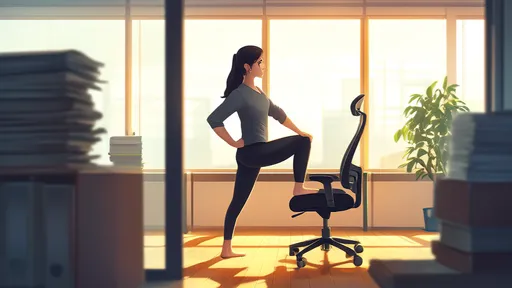
Following breathwork, engaging in a dedicated cool-down routine is paramount. This is not merely a lighter version of your workout; it is a deliberate process of downshifting. Dynamic stretches that were part of your warm-up should be replaced with long, static holds. The focus here is not on flexibility gains but on signaling to the muscles and the nervous system that the intense work is over. Holding a gentle quad stretch or a seated forward fold for 30 to 60 seconds allows the muscle spindles to relax, reducing tension and promoting blood flow without re-engaging the fight-or-flight response. This passive stretching provides feedback to the brain that the body is no longer under duress.
The environment in which you choose to recover can significantly amplify these efforts. Thermoregulation plays a key role. A cool shower or even brief exposure to cold water can reduce inflammation and muscle soreness, while also stimulating the vagus nerve, a central component of the parasympathetic nervous system. Conversely, heat, such as from a sauna or a warm bath, can relax tight muscles and promote a state of drowsiness. The use of dim lighting and calming sounds or silence in your post-training space further reinforces the message of safety and relaxation, helping to quiet the mind's chatter about the workout's difficulties or the day's stresses.
For those seeking a deeper level of nervous system reset, progressive muscle relaxation offers a structured approach. This technique involves systematically tensing and then releasing different muscle groups throughout the body. Starting from your toes, you would deliberately curl them tightly, hold the tension for a few seconds, and then consciously release it, noticing the wave of relaxation that follows. You then progressively work upward through the calves, thighs, glutes, abdomen, hands, arms, shoulders, and finally the face. This practice heightens your awareness of the difference between tension and relaxation, teaching you to voluntarily release muscular holding patterns that you may not even have been aware of. It is a powerful method for dissolving the physical remnants of stress that remain locked in the body.
Finally, we must address the mental component. The nervous system does not operate in a vacuum; it is heavily influenced by our thoughts. Guided imagery or visualization can be a potent tool for mental decompression. After your physical cool-down, find a quiet space to sit or lie down. Close your eyes and take several deep breaths. Then, vividly imagine a place or scenario that evokes feelings of peace, safety, and contentment. It could be a quiet beach, a serene forest, or a cozy room. Engage all your senses in this mental movie—hear the waves, feel the warm sand, smell the pine trees. This mental vacation doesn't just distract you; it actively generates the positive emotional states that are incompatible with stress, further persuading your nervous system that it is time to stand down and recharge.
Integrating these techniques into your routine is not about adding another arduous task to your day. It is about recognizing that the work is not truly finished until your body and mind have returned to a state of equilibrium. The most well-designed training program in the world will yield suboptimal results if the nervous system is perpetually treated as an afterthought. By dedicating even fifteen to twenty minutes to deliberate relaxation—through breath, gentle movement, environmental control, and mental focus—you are not just ending your workout. You are actively investing in your next one, ensuring you come back stronger, fresher, and more resilient.

By /Aug 25, 2025

By /Aug 25, 2025

By /Aug 25, 2025

By /Aug 25, 2025
By /Aug 25, 2025

By /Aug 25, 2025
By /Aug 25, 2025

By /Aug 25, 2025

By /Aug 25, 2025

By /Aug 25, 2025

By /Aug 25, 2025

By /Aug 25, 2025
By /Aug 25, 2025
By /Aug 25, 2025

By /Aug 25, 2025

By /Aug 25, 2025
By /Aug 25, 2025
By /Aug 25, 2025

By /Aug 25, 2025

By /Aug 25, 2025
