When it comes to women and weight training, there exists a pervasive misconception that lighter weights are inherently safer and more appropriate. Many women enter the gym with the intention of "toning" rather than building muscle, a goal they believe is best achieved with high repetitions of minimal resistance. This philosophy, while well-intentioned, is rooted in a fundamental misunderstanding of how the female body responds to strength training and ultimately limits the potential for achieving true strength, metabolic health, and body composition changes.
The fear of becoming "bulky" is perhaps the single greatest deterrent for women considering heavier weights. This fear is almost entirely unfounded, primarily due to hormonal differences between men and women. Men possess significantly higher levels of testosterone, a primary driver of muscle hypertrophy. Women, on the other hand, have a fraction of this hormone, making it physiologically extremely difficult to develop large, bulky muscles without dedicated, years-long effort, specific programming, and often a significant caloric surplus. The muscular, athletic look many women fear is not an accidental byproduct of lifting heavy; it is a deliberate and hard-won achievement.
Another common error is the conflation of weight training with cardiovascular exercise. The "burn" felt during high-repetition, low-weight sets is often mistaken for a sign of effective fat loss. While this approach does increase muscular endurance and provides a metabolic stimulus, it pales in comparison to the metabolic furnace ignited by heavy compound lifts. Lifting challenging weights creates a substantial oxygen debt, leading to Excess Post-exercise Oxygen Consumption (EPOC), where the body continues to burn calories at an elevated rate for many hours after the workout has concluded. This "afterburn" effect is far more pronounced following a session of heavy squats or deadlifts than it is after a session of light dumbbell curls.
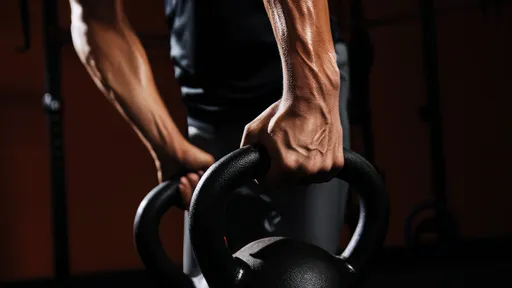
A related pitfall is the misapplication of the principle of progressive overload. For muscles to adapt, grow, and become stronger, they must be consistently challenged with a demand that exceeds what they are accustomed to. Sticking with the same five-pound dumbbells for months, or even years, provides no new stimulus for adaptation. The body becomes exceedingly efficient at the movement, and progress stagnates. True progressive overload means gradually increasing the stress on the musculoskeletal system by adding weight, increasing repetitions or sets, or improving technique with the existing weight. Without this gradual increase in demand, the journey towards greater strength and a reshaped physique hits a permanent plateau.
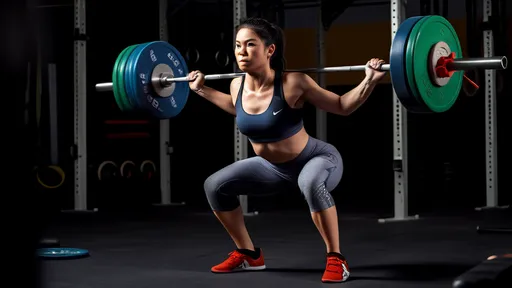
The focus on isolation movements over compound lifts is another strategic misstep common in many women's training routines. It's not uncommon to see a focus on exercises like tricep kickbacks, inner-thigh adductions, and lateral raises with very light weights, often with the goal of targeting "problem areas." This approach is inefficient. Compound movements—such as squats, deadlifts, lunges, bench presses, and rows—engage multiple large muscle groups simultaneously. They allow you to move significantly more total weight, which creates a greater hormonal and metabolic response. They build functional strength that translates into everyday life and form the foundation of a powerful physique. Spot reduction is a myth; you cannot lose fat from a specific area by exercising the muscles beneath. A better strategy is to burn maximum calories and build metabolically active muscle mass across the entire body through compound lifts, which contributes to overall fat loss.
Furthermore, an often-overlooked aspect is the critical importance of proper nutrition in supporting a heavy training regimen. Some women fear that eating more, particularly protein, will contribute to weight gain or the dreaded bulk. The opposite is true. Adequate protein intake is non-negotiable for muscle repair and growth. When challenging the body with heavy weights, you are creating microscopic tears in the muscle fibers. The body repairs these fibers during rest, fusing them back together stronger and larger than before. This repair process requires amino acids, the building blocks of protein. Without sufficient fuel, the body cannot recover properly, strength gains will be minimal, and the risk of injury and burnout increases significantly. The goal is to fuel performance and recovery, not to undereat and undermine all the hard work done in the gym.
Finally, there is a profound psychological barrier that heavier weights can help break. There is an undeniable empowerment that comes from moving a weight you once thought was impossible. It shatters self-imposed limitations and builds a resilience that extends far beyond the gym walls. Choosing to lift heavy is a rejection of the outdated notion that women should be frail or delicate. It is an embrace of capability, power, and confidence. The mental strength gained from consistently showing up and pushing your physical boundaries is, for many, the most valuable outcome of their training journey.
In conclusion, the journey towards effective and empowering strength training for women requires a shift in mindset. It involves letting go of the fear of bulk, embracing the challenge of progressive overload, prioritizing compound movements, fueling the body appropriately, and celebrating the incredible mental and physical strength that results. The barbell does not discriminate; it only responds to effort. By moving beyond these common misconceptions, women can unlock a new level of health, performance, and self-confidence, proving that true strength is a beautiful and powerful asset.

By /Aug 25, 2025
By /Aug 25, 2025
By /Aug 25, 2025

By /Aug 25, 2025
By /Aug 25, 2025

By /Aug 25, 2025
By /Aug 25, 2025
By /Aug 25, 2025

By /Aug 25, 2025
By /Aug 25, 2025

By /Aug 25, 2025

By /Aug 25, 2025
By /Aug 25, 2025
By /Aug 25, 2025
By /Aug 25, 2025

By /Aug 25, 2025
By /Aug 25, 2025
By /Aug 25, 2025

By /Aug 25, 2025

By /Aug 25, 2025
