In the quiet hours of early morning, before the world fully awakens, a familiar scene unfolds in parks and neighborhoods across the globe. A mother and daughter, side by side, their breath forming small clouds in the crisp air as they move in rhythm—sometimes running, sometimes walking, but always together. This shared commitment to movement represents more than just physical exercise; it embodies a profound transfer of values, habits, and connection that transcends generations.
The cultivation of shared physical activities between mothers and daughters creates a unique bonding language—one spoken not through words but through synchronized footsteps, shared exertion, and mutual accomplishment. When a mother laces up her sneakers alongside her daughter, she isn't just teaching her about fitness; she's demonstrating perseverance, self-care, and the importance of carving out time for wellbeing. These lessons, woven into the fabric of their relationship, often become foundational elements in how young women approach their own health and lifestyle choices throughout their lives.
Research consistently shows that children are more likely to maintain active lifestyles when they see their parents engaging in regular physical activity. For daughters specifically, the maternal influence carries particular weight. A mother's attitude toward her own body, her approach to exercise, and her willingness to prioritize movement directly shape her daughter's relationship with physical activity. This influence operates not through formal instruction but through subtle modeling—the unconscious absorption of behaviors and attitudes that occurs in shared experiences.
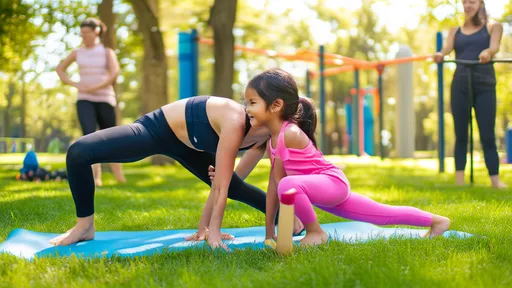
The transmission of movement preferences often follows fascinating patterns. A mother who finds solace in long walks may discover her daughter developing the same appreciation for contemplative movement. Another who thrives on the energy of dance classes might watch her child naturally gravitate toward expressive physicality. These shared preferences frequently extend beyond the activities themselves to encompass the emotional rewards they provide—the mental clarity that follows a good run, the joy of mastering a new yoga pose, or the simple pleasure of breathing fresh air during a hike.
Modern life presents particular challenges to maintaining these intergenerational connections around movement. The digital age has created competing attractions for both mothers and daughters, while increasingly busy schedules make dedicated time together precious and rare. Yet many families have discovered that making movement a shared priority actually helps combat these pressures. The uninterrupted time during a walk or workout provides space for conversation that might not happen otherwise, creating natural opportunities to discuss everything from daily concerns to big dreams.
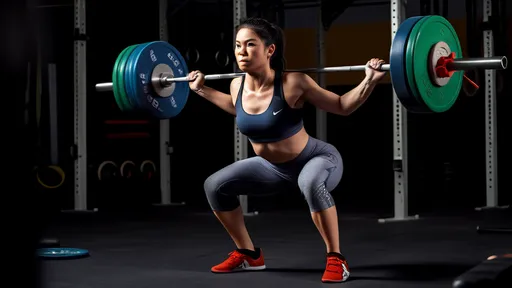
The evolution of these shared habits reflects broader changes in how we understand women's fitness. Today's mothers and daughters often explore activities together that previous generations might not have considered accessible or appropriate for women. They train for marathons, take up rock climbing, practice martial arts, or attend strength training classes—activities that not only build physical capability but also reinforce messages about female empowerment and capability.
As daughters grow into adulthood, the dynamic frequently shifts. The mother who once led the way may find herself following her daughter's lead as younger generations discover new approaches to fitness and wellbeing. This reversal creates beautiful reciprocity in the relationship, with knowledge and inspiration flowing in both directions. The daughter who introduced her mother to yoga may later find herself joining her mother's walking group, each appreciating the other's preferred activities while creating new shared experiences.
The benefits of these intergenerational movement traditions extend far beyond physical health. Regular activity together strengthens emotional bonds, creates shared memories, and establishes patterns of communication that serve the relationship in all aspects. The trust built through supporting each other through physical challenges often translates to better support during life's other difficulties. The mutual encouragement required to complete a difficult hike or try a new sport reinforces the message that they believe in each other's capabilities.
Seasonal rhythms often influence these shared activities, creating annual traditions that both anticipate and cherish. Summer might bring swimming or beach walks, autumn invites hiking through colorful foliage, winter suggests skiing or indoor rock climbing, and spring welcomes outdoor running as the weather warms. These seasonal patterns create anchors in their relationship—consistent touchpoints that maintain connection even as lives grow increasingly complex.
Technology has created new dimensions in how mothers and daughters share movement experiences. Fitness trackers allow them to cheer each other's progress from afar, shared apps provide new activities to try together, and digital platforms enable connection even when geography separates them. A mother and daughter in different cities might train for the same virtual race, sharing their experiences through video calls and messaging while working toward a common goal.
The psychological impact of these shared movement traditions proves particularly significant during transitional life stages. For adolescents, having active time with a mother can provide stability during emotionally turbulent years. For young adults, it maintains connection as they establish independence. For mothers entering midlife and beyond, it offers companionship and motivation to maintain healthy habits. And for both, it creates a reliable space for connection that adapts to changing needs and circumstances.
Ultimately, the movement traditions mothers and daughters build together represent a living legacy—one that often extends beyond their direct relationship. Daughters who grow up with positive associations toward physical activity frequently become mothers who instill the same values in their own children, creating generational patterns of health and connection. The specific activities may evolve with changing interests and abilities, but the essential commitment to shared movement and its accompanying bond remains constant.
In a world that often pulls families in different directions, these shared physical traditions provide grounding connection. They create a private language of movement and mutual support that strengthens both individual wellbeing and relational bonds. The mother-daughter walking partners, exercise classmates, or running buddies we see in our communities represent more than just fitness enthusiasts; they demonstrate the powerful intersection of family connection and physical wellbeing—a combination that nourishes both body and relationship in equal measure.
By /Aug 25, 2025
By /Aug 25, 2025

By /Aug 25, 2025

By /Aug 25, 2025
By /Aug 25, 2025

By /Aug 25, 2025
By /Aug 25, 2025
By /Aug 25, 2025
By /Aug 25, 2025

By /Aug 25, 2025

By /Aug 25, 2025

By /Aug 25, 2025
By /Aug 25, 2025
By /Aug 25, 2025
By /Aug 25, 2025
By /Aug 25, 2025
By /Aug 25, 2025
By /Aug 25, 2025
By /Aug 25, 2025

By /Aug 25, 2025
