For new mothers navigating the beautiful yet demanding journey of breastfeeding, finding time and energy for physical activity can often feel like a distant dream. The focus is rightly on the newborn, leaving little room for personal care. However, incorporating gentle, targeted exercise into a daily routine is not only possible but can be profoundly beneficial for both physical recovery and mental well-being. This article delves into the importance of safe and effective upper body and core strengthening exercises specifically designed for breastfeeding mothers, offering a pathway to renewed strength and confidence during this special chapter of life.
The postpartum body undergoes significant changes, and the act of breastfeeding itself can introduce new physical challenges. Hours spent in feeding positions, often with less-than-ideal posture, can lead to tension and discomfort in the neck, shoulders, and upper back. Simultaneously, the core muscles, stretched during pregnancy, require gentle reactivation to rebuild their foundational support for the entire body. This is not about achieving a pre-baby body; it is about building a strong, resilient, and comfortable body for the new role of motherhood. The goal is functional fitness—movements that make lifting your baby, carrying the car seat, and those long nursing sessions easier and more comfortable.
Engaging in a tailored exercise regimen during lactation requires a mindful approach. The key is to start low and go slow, listening intently to the body's signals. It is crucial to receive clearance from a healthcare provider before beginning any new workout routine, typically around six weeks postpartum for a vaginal delivery or longer after a cesarean section. Once approved, the focus should be on low-impact, controlled movements that prioritize stability and alignment over intensity. Hydration is paramount, especially since dehydration can negatively impact milk supply. A large bottle of water should be a constant companion during any workout session.
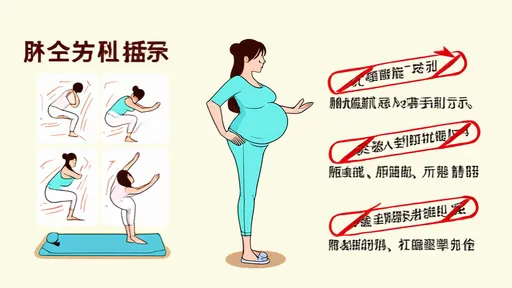
When it comes to the upper body, the emphasis should be on counteracting the forward hunch commonly associated with breastfeeding and building endurance in the muscles used to hold the baby. Exercises like modified push-ups, performed against a wall or on knees, help strengthen the chest, shoulders, and triceps. Seated rows using a resistance band are excellent for targeting the muscles between the shoulder blades, which helps pull the shoulders back and open the chest, combating slouching. Gentle shoulder rotations and scapular squeezes can be done throughout the day to release built-up tension and improve posture subtly. These movements are not about building bulk but about creating a strong, fatigue-resistant upper body that can better handle the physical demands of new motherhood.
The core is the body's powerhouse, and its rehabilitation postpartum is a journey of reconnection. It is vital to understand that traditional crunches or sit-ups are often not advisable initially, as they can exacerbate diastasis recti, the separation of the abdominal muscles common after pregnancy. Instead, the focus should be on deep core engagement and stabilization. Exercises like pelvic tilts performed on your back with knees bent help to gently engage the deep transverse abdominis. Modified bird-dog poses, on all fours, challenge stability and coordination while protecting the abdomen. Perhaps the most fundamental and powerful core exercise for a new mother is practicing proper diaphragmatic breathing, consciously engaging the core while exhaling. This re-establishes the mind-muscle connection and provides a gentle, internal massage for the organs.
The true magic often happens when movements integrate the upper body and core, mimicking the real-world activities of a mother. A functional exercise like a modified plank (on knees) not only builds core stability but also challenges shoulder and arm strength. A standing resistance band chop, rotating from the core while holding a band, builds rotational strength that is useful for reaching and twisting while holding the baby. These integrated exercises teach the body to work as a coordinated unit, making everyday tasks feel less strenuous and reducing the risk of strain or injury. The philosophy is to train for life, not just for the sake of exercise.
Beyond the clear physical advantages, the mental and emotional benefits of this gentle training are immense. The postpartum period can be isolating and overwhelming. Setting aside even just fifteen minutes for a focused workout can serve as a powerful act of self-care, providing a much-needed mental break and a sense of accomplishment. Physical activity is a proven mood booster, helping to alleviate symptoms of postpartum blues and anxiety. This dedicated time, whether while the baby naps or is content in a bouncer nearby, allows a mother to reconnect with her own body, not just as a source of nourishment for her child but as her own strong, capable self. It fosters a positive body image centered on function and strength rather than appearance.
In conclusion, a gentle upper body and core training program is a valuable and accessible tool for breastfeeding mothers. It is a practice built on the principles of patience, consistency, and self-compassion. By focusing on safe, functional movements that address the specific needs of the postpartum body, mothers can effectively build strength, alleviate discomfort, and enhance their overall well-being. This journey back to strength is a gift a mother gives to herself, empowering her to navigate the physical demands of motherhood with greater ease and confidence, all while nurturing her precious little one.

By /Aug 25, 2025
By /Aug 25, 2025
By /Aug 25, 2025

By /Aug 25, 2025
By /Aug 25, 2025

By /Aug 25, 2025

By /Aug 25, 2025
By /Aug 25, 2025
By /Aug 25, 2025

By /Aug 25, 2025

By /Aug 25, 2025

By /Aug 25, 2025
By /Aug 25, 2025
By /Aug 25, 2025
By /Aug 25, 2025

By /Aug 25, 2025
By /Aug 25, 2025
By /Aug 25, 2025

By /Aug 25, 2025

By /Aug 25, 2025
